
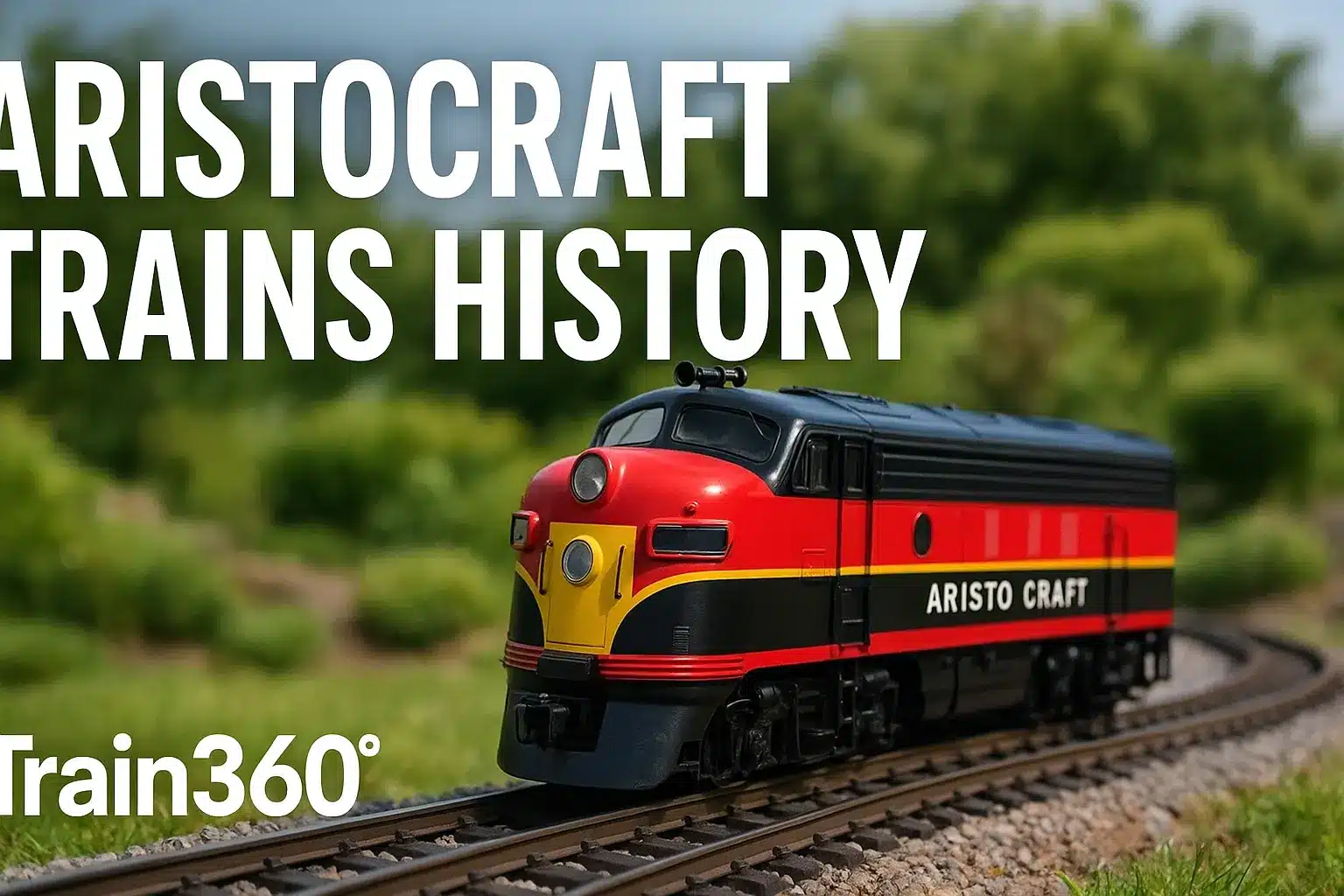
Aristocraft Trains: A Complete History
Keyword: aristocraft trains history
Introduction aristocraft trains history: Why Aristo-Craft matters to model railroad fans
If you’ve explored garden railroad forums, model shop shelves, or collector displays, you’ve likely heard of Aristo-Craft (often spelled AristoCraft or Aristo-Craft). For decades, this American company was known for producing large, vibrant, detailed G-scale trains designed for outdoor use. They also made a key design choice that shaped the hobby: the 1:29 “American-prototype” scale for 45mm track. This article looks at the company’s beginnings, design choices, highlights, business difficulties, and the reasons Aristocraft items are still popular with hobbyists and landscapers today.
Early roots: family business and model train retail
Aristo-Craft began as a small family business that sold and later made model trains and hobby products in the U.S. For many years, the Polk family, often linked to the business, operated retail and distribution efforts, gradually transitioning from a local shop to a national presence in garden and large-scale model railroading. The company’s history goes back to the mid-20th century and reflects the broader story of American hobby retail evolving into niche manufacturing.
The big pivot: entering G-scale and creating 1:29 American-style models
Aristo-Craft made a significant shift in the late 1980s when it adopted G-scale — the 45mm gauge track commonly used for outdoor “garden” railways. They specifically chose to model American prototypes at the unique but now-familiar 1:29 ratio. Unlike European manufacturers who followed continental standards, Aristo-Craft scaled their rolling stock to better visually align with North American locomotives on the broad 45mm track. This choice allowed their engines to resemble familiar U.S. mainline locomotives in backyard settings, helping Aristo-Craft stand out to American hobbyists.

The 1:29 scale quickly became a common choice among many North American garden railroading fans. It offered both impressive size and practical compatibility, as it could run on LGB/45mm track.
Product lines and signature models
Over the years, Aristo-Craft created a diverse range of locomotives and rolling stock tailored to U.S. tastes. Their offerings included classic steam engines, Santa Fe and Union Pacific diesel machines, passenger cars, and detailed accessories. They provided both 1:29 mainline models and a smaller 1:24 “classic” series for specific vintage prototypes. Their plastic and die-cast products often featured sturdy metal drive trains and weatherproof electronics, making them suitable for outdoor garden use as well as indoor display.
In addition to locomotives, Aristo-Craft produced structures, rolling stock, and accessories for complete garden layouts, including bridges, stations, and buildings. This made the brand a go-to source for many layout builders. Their product selection and attention to North American details helped them become one of the largest suppliers of U.S.-style garden trains for a time.

Innovation and hobby impact
Aristo-Craft was more than just about large models; the company introduced features that appealed to real users. They offered weather-resistant electronics, powerful motors for outdoor runs, smoke units, sound systems, and detailing that matched American prototypes. Their commitment to products that could withstand sun and rain while providing realistic performance expanded the hobby beyond indoor basements into gardens, patios, and commercial displays.
The brand’s success motivated other manufacturers to revise or expand their offerings for the American garden railroading market, contributing to the growth of the G-scale scene in the U.S.
Business challenges and decline
Despite their successful products, Aristo-Craft encountered financial challenges, like many specialty manufacturers. The economic downturn around 2008 severely impacted hobby retail and discretionary spending. At the same time, changes in the supply chain and distribution pressured profit margins. Over the years, these challenges led to restructuring, partial sell-offs, and eventually the end of full-scale operations. Several brand assets and model lines were acquired or continued in modified forms by successor companies, but the original Aristo-Craft closure marked the end of an era for many collectors.

Collectors and the aftermarket
Today, Aristo-Craft locomotives and accessories are still popular in the second-hand market. Why? The company made durable models that can be repaired, upgraded, and customized — a big plus for hobbyists who enjoy tinkering. Clubs and online groups share many restoration projects, such as replacing electronics with DCC, swapping worn drive components, or adding modern sound systems. The availability of spare parts and the strong visual appeal of 1:29 models keep demand high among collectors and layout builders.
How to spot authentic Aristo-Craft pieces
If you’re buying used items, check for brand markings, part numbers, and distinctive features like heavy metal chassis, specific coupler styles, and truck designs. Many Aristo-Craft models include stamped logos or molding marks on the underside. Photos and community forums are excellent resources to verify authenticity or learn about the right parts for restoration.
Aristo-Craft’s legacy in the modern hobby
Even though the original company is no longer operational, Aristo-Craft’s impact continues. The 1:29 scale is now a common choice for North American garden railroaders. Many design decisions Aristo-Craft popularized, such as rugged outdoor electronics and American-prototype detailing on wide-gauge track, remain standard expectations among large-scale manufacturers and hobbyists.

For newcomers to garden layouts, finding a well-maintained Aristo-Craft locomotive can be an affordable way to get a visually striking engine that copes well with outdoor conditions. For long-time hobbyists, Aristo-Craft models represent a cherished part of the hobby’s recent history.
Where to learn more
Practical tips for owners
- Keep electronics dry; even weather-resistant units do better with shelter during storms.
- Clean tracks regularly and lubricate moving parts for long-lasting reliability.
- Check forums for spare parts and DCC conversion guides.
- Purchase from trusted collectors or shops and request detailed condition photos.
Conclusion: Aristo-Craft’s place on your layout
Aristo-Craft created a connection between classic model railroading and the outdoor garden railroad trend. Through their scale choices, solid engineering, and focus on North American prototypes, they made a lasting impact on the hobby. Whether you’re restoring a vintage Aristo-Craft locomotive, adding one to a new backyard layout, or simply appreciating the engineering, the brand’s history provides valuable insight into how hobby manufacturers respond to the preferences of their communities.
If you’re interested, tains.train360.co.in offers more brand histories and buying guides. Check our Gauge & Brand Guides section to compare Aristo-Craft with other G-scale makers and find restoration resources.










1 thought on “Aristocraft Trains History: The Rise, Legacy, and Evolution of a G-Scale Icon”